National contingency plan for invasive Aedes mosquitoes in England
This plan supersedes the National contingency plan for Invasive Mosquitoes (2020).
Executive summary
This plan supersedes the National contingency plan for Invasive Mosquitoes (2020) which outlined monitoring for introductions of invasive mosquitoes, and actions to be taken if detections were made. Since publication in 2020, the spread and establishment of Aedes albopictus has continued across mainland European nations, and local outbreaks of associated diseases have become more frequent. This updated plan is expanded to include actions to manage established invasive Aedes populations, as well as locally acquired human cases and outbreaks of associated diseases.
Invasive mosquitoes are non-native mosquitoes that are adept at colonising new areas outside of their native geographic range. This plan focuses on invasive Aedes mosquitoes as one of the most significant public health risks posed to the UK due to climate change (1). These mosquitoes have established themselves widely across mainland Europe over the last 2 to 3 decades causing outbreaks of diseases that would previously have been considered tropical diseases: dengue fever, Zika virus disease, and chikungunya. Temperatures in the south-east of England are high enough for these mosquitoes to survive, and with climate change the areas of suitability will increase, bringing with them the risk of disease transmission within the UK.
The plan aims to alert local authorities (LAs) and health partners of the rising risk of invasive Aedes mosquitoes, and to support partners to identify and to carry out their role in vector management to suppress invasive Aedes mosquito activity as far as possible. Effective implementation at early stages of the plan will minimise the need for large scale vector control measures and reduce the public health risk. Those with defined roles and responsibilities as set out in the plan should use the plan to review their current efforts in managing the risk of invasive mosquitoes and to develop operational plans that ensure readiness to respond to future detections of invasive mosquitoes.
The plan describes the environmental and public health interventions required at the following levels of risk:
- Level 0: No invasive Aedes mosquitoes detected
- Level 1: Invasive Aedes mosquitoes detected, imported human disease cases only
- Level 2: Establishment of invasive Aedes mosquito populations, where these mosquitoes are reproducing locally and persisting over winter into a following year
- Level 3: Locally acquired cases of Aedes mosquito-borne infections dengue, chikungunya and Zika virus
- Level 4: Invasive Aedes mosquitoes widely established in England, and geographically spread locally transmitted outbreaks
Whilst there are no established populations of invasive Aedes mosquitoes in England at the time of publication, there have been several detections at points of entry which have been managed successfully using the measures outlined in the previous version of the National contingency plan for invasive mosquitoes. Ongoing prevention of the establishment of Aedes mosquitoes is challenging, as observed across mainland Europe, however the Netherlands is an example of a country so far successful in its attempt to prevent establishment despite sharing a land border with countries that are colonised with established Aedes albopictus. This has been achieved by detecting Aedes albopictus early and rapidly responding to detections, which is in line with the approach set out in this plan.
If invasive mosquitoes do become established despite our best efforts, the higher levels of this updated plan outline actions to take to reduce the risk to human health from outbreaks of associated infections.
For immediate actions for invasive Aedes mosquitoes or locally acquired cases of dengue, chikungunya or Zika virus diseases, see Table 3.
Note, this guidance does not apply to mosquitoes already native to the UK as the fundamental aim is different (elimination, in the case of Aedes albopictus) or to diseases that infect animals as well as humans as these require a combined one health approach. However wider public, clinical and public health awareness generated by this plan may be beneficial in the approach to these other mosquito related risks.
Background
Some species of mosquito can carry viruses and transmit disease between humans, causing a substantial burden of disease worldwide. The UK has populations of over 30 native mosquito species, but there is no evidence that any of these species can sustain onward transmission of infections directly between humans in the UK. However, the UK is under increasing threat from invasive Aedes mosquitoes, which are now widely established in mainland Europe. The species Aedes albopictus and Aedes aegypti are responsible for transmitting exotic mosquito-borne infections such as dengue, chikungunya and Zika. Aedes albopictus, also known as the tiger mosquito, is the principal threat, and has been spreading across Europe since the early 1990s due to a combination of globalisation, trade, travel, urbanisation, environmental and climate change (2, 3, 4, 5).
The ability of invasive mosquitoes to adapt to new environments, spread and establish in Europe, and to transmit infectious diseases highlights the importance of surveillance, early detection and control. Invasive mosquito surveillance was first established in England in 2010 and expanded during 2016 leading up to the first publication of the National Contingency Plan for Invasive Mosquitoes in 2020.
Once Aedes albopictus establishment has occurred, the risk to human health can be reduced by the actions outlined in levels 2, 3 and 4 in the updated plan. These include mosquito control to reduce the mosquito numbers as well as risk communications to the general public, pre-travel advice to reduce the risk of imported cases, and greater blood safety. Mosquito control includes, where possible, removing container habitats, or if not possible, by applying larvicides to potential aquatic habitats. These measures are highly effective, simple, inexpensive and have negligible impact on native species and habitats. Successful implementation of this plan will reduce the risk of populations of invasive mosquitoes becoming established, delaying and minimising the need for large scale vector control.
Human health risks
Acute infection with dengue, Zika and chikungunya viruses may cause illness characterised by fever, muscle aches, joint pains and a rash (6, 7, 8). Although a large proportion of infections with these viruses are asymptomatic, or present with mild symptoms, they pose a significant global burden on populations, healthcare, and economies. Dengue is the most common mosquito-borne disease worldwide, and incidence has been increasing, with 2024 seeing the largest number of yearly global cases (9). It is associated with severe disease, also known as dengue haemorrhagic fever / dengue shock syndrome, in up to 5% of those who have symptoms (7). Case fatality rate varies by healthcare setting but is estimated to be <0.1%. However, an estimated 38.25 (21.33 to 51.93) disability adjusted life years per 100 000 population [note 1], and high global healthcare costs are attributable to dengue (10). Global incidences of chikungunya and Zika infections are considerably smaller, but significant long-term complications can be associated with each: chikungunya can result in chronic arthropathy with long recovery times in those affected (8), whilst Zika virus infection in pregnancy, even when asymptomatic, can result in long-term complications for, and sometimes death of, the foetus (6).
Note 1: One disability adjusted life year (DALY) represents the loss of the equivalent of one year of full health. DALYs for a disease or health condition are the sum of the years of life lost to due to premature mortality (YLLs) and the years lived with a disability (YLDs) due to prevalent cases of the disease or health condition in a population (World Health Organization)
The emergence and subsequent circulation of Aedes borne infectious diseases entail significant and increasing economic costs, both in the short and the longer term (11). These include: medical costs; lost productivity due to illness, morbidity and premature death; and monetary losses from tourism, trade and economic growth. There are also costs associated with mosquito and disease control including: surveillance, vector control, vaccination, safety of substances of human origin, communication campaigns and personal protective measures. Costs are increasing, and only around 10% is invested in prevention. There are also direct costs for the public, with the average household annual expenditure on mosquito control in affected areas in Europe being significantly more than local administrations spending per household (12).
There are no disease specific treatments for dengue, chikungunya or Zika virus infections, and care is directed at preventing, detecting and managing complications. The most up to date information regarding vaccinations for these infections can be found in the UKHSA, Immunisation against infectious disease Green Book.
At the time of publication, a dengue fever vaccine, known by the brand name Qdenga®, is licensed in the UK for individuals aged 4 years and older with likely history of previous dengue infection who are planning to travel to dengue endemic areas, or who are exposed to dengue virus through their work. Dengue vaccines are not available through the NHS but are available as private vaccinations as part of pre-travel assessment privately or via certain occupational health departments (13).
Two chikungunya vaccines are licensed in the UK by the Medicines and Healthcare products Regulatory Agency (MHRA):
- IXCHIQ® and Vimkunya® (14)
- IXCHIQ®, a live vaccine licensed for adults aged 18 to 59 years
IXCHIQ® vaccine should not be used in individuals with certain underlying health conditions (including cardiovascular disease, diabetes or chronic kidney disease), or in those who are immunodeficient and immunosuppressed, including people with a history of thymus disorders or thymectomy (15). Vimkunya®, a virus like particle vaccine, is licensed for individuals 12 years and older (16). The use of both vaccines is not recommended routinely but may be considered for travellers at increased risk of exposure or for those exposed to the virus through their work. At the time of publication, there are no licensed vaccines in the UK for Zika virus. See Annex 4 for further information on vaccinations.
Aedes albopictus mosquito
Native to Southeast Asia, Aedes albopictus have rapidly spread to many parts of the world including mainland Europe. Their eggs are frost tolerant and can enter winter diapause meaning that they can survive the harsh conditions of winter. They therefore have adapted to surviving winters in Northern Europe.
Aedes albopictus is well adapted to living in urban environments and can opportunistically breed in containers of standing water, such as litter, blocked guttering or drains and garden water storage. Unlike many mosquitoes, Aedes albopictus will bite in the daytime. It is particularly common in urban and suburban habitats and is a nuisance biting species. It has a flight range of less than 200m, but adult mosquitoes can be transported with cargo, and eggs can withstand drying and low temperatures allowing the species to thrive and spread in cooler climates.
Throughout Europe, the introduction and subsequent spread of Aedes albopictus has been associated with increasing numbers of locally acquired mosquito borne infections in humans, such as dengue, chikungunya, and Zika virus infection (17). The spread of Aedes albopictus is influenced by factors such as climate change and global trade. Changes in temperature and rain patterns can alter the distribution and abundance of mosquitoes, while increased international travel and trade can aid the movement of the species to new locations. This has contributed to the spread of vector-borne diseases to areas where they were previously not present, including the UK.
Since introduction into Europe through the used tyre and exotic plant trade, Aedes albopictus has spread rapidly. In Europe the primary route of spread is thought to be via ground vehicles, which have transported mosquitoes across borders where they can establish new populations; the species has been detected along motorway parking areas in multiple countries. Aedes albopictus is now widely established in approximately 30 European countries.
Between 2010, and time of publication, sporadic events of dengue virus transmission have been reported in mainland France, Italy, Spain and Croatia, with a total of 579 locally acquired cases. 304 locally acquired dengue cases were reported in 2024 alone, with 83 cases reported from mainland France, 213 from Italy and 8 from Spain (18).
Additionally, Madeira, an autonomous region of Portugal, experienced a major dengue outbreak in 2012 (18). Chikungunya outbreaks have been described in Italy in 2007 and 2017, and smaller clusters reported in France (19). A cluster of 3 locally acquired Zika virus cases was reported in France in 2019 (20).
Aedes albopictus is now widely established in Paris and expected to become increasingly established in northern France in the next few years. There is also evidence that local outbreaks of Aedes borne disease are occurring more rapidly after introduction of the species to a new area (21). This creates an increased likelihood of introductions into the UK, and an increasing threat to public health.
Some areas of England are already considered suitable for survival of Aedes albopictus (22, 23, 24), and there have been single sporadic detections in different sites in Southern England all potentially linked with trade and travel routes from Europe (2016, 2017, 2018, 2019 and 2024) (25, 26, 27). There were no detections during 2020 to 2023, likely linked to the impact of the pandemic and changes in vehicle movements into England.
Current evidence suggests that greater areas (parts of Wales, English Midlands and North West England) of the UK will become more suitable for the survival of Aedes albopictus with warming temperatures due to climate change, further detail is provided in the Health effects of climate change report and provided in Annex 5 (23).
Aedes aegypti mosquito
Aedes aegypti, also known as the yellow fever mosquito due to its capacity to spread this disease, is widespread globally across tropical and subtropical regions (28). It survives best in a warm, tropical climate and has not adapted so far to the temperate climate present in the UK, particularly its ability to overwinter. It is therefore not expected to become established in England. However, eggs were detected at a single trap in a warehouse receiving air freight in England in 2023 (29), and adaptation can be rapid in mosquitoes. Early detection and prompt implementation of control measures hence remains crucial for this species. Other invasive Aedes species, such as Aedes japonicus, have been detected in Europe, but they are not currently linked to transmission of viral infections to humans.
People and settings with the highest risk
There are several population groups and settings observed to be at a higher risk of exposure to, and poor outcomes from, infections transmitted by invasive mosquitoes.
Certain individuals may be at increased risk of exposure to invasive Aedes mosquitoes and a higher risk of associated infections, for example those spending prolonged periods of time outdoors in the proximity of mosquito breeding sites for occupational, recreational or other reasons, including people experiencing homelessness (30). People living or working in urban environments where litter creates habitat for invasive mosquitoes may also be at increased risk. This may include occupational groups, and potentially those living near refuse disposal sites. International evidence from endemic countries suggests that factors indicative of lower socioeconomic position (31), such as increased population density and poor-quality housing, increases the risk of acquiring mosquito-borne infections.
Those at high-risk of complication from infection with dengue are children, adolescents, and pregnant women. An increased risk has also been described in older individuals and those with comorbidities including asthma, diabetes, obesity, hypertension, renal disease, bleeding disorders, and in those taking anticoagulants. The risk for severe dengue is greater during a second dengue infection in those who are then infected with a dengue virus of a different serotype (32), which will be more common in people who have previously lived or travelled to an endemic area. For Zika virus infection risk there may be an additional risk to couples planning pregnancy.
For chikungunya infection, chronic conditions (in particular diabetes mellitus, hypertension and chronic kidney disease), older age (over the age of 60 years), and male sex have been linked to increased mortality risk (33,34).
Consideration should also be given towards those who are known to experience health inequality such as inclusion health groups and the most deprived 20% of the population (35). The equalities response should be informed by assessment of vulnerable populations with proximity to breeding sites. Public health messaging should be accessible to all at-risk communities.
Risk mitigation
Early detection and control of invasive mosquitoes and associated infectious diseases is needed to protect human health. The strategies described in this plan may be applied to other new or re-emerging pathogens spread by invasive Aedes mosquito species, provided that they are customised and adapted to the particular context.
Level of concern/ Proportionality of response
The specific actions that would be taken in an outbreak would depend on a balance of many factors including public health benefit, wider societal impacts, and value for money, and it would be for the IMT at that time to make those decisions, with recourse to Ministers where required. The purpose of the plan and the actions outlined below is to provide a framework for potential actions that may be needed, and thereby ensure that we have the right tools and capabilities to manage the scenario we find ourselves in.
There are multiple factors that will influence the level of concern for threat to human health within levels 2, 3 and 4 and hence intensity of the response required at each level. This means that a risk assessment taking these factors into consideration is required for each specific scenario in order to determine what actions are proportionate to implement, and to what degree they should be delivered. These factors include: biting activity of mosquitoes, time of year of the detection, weather conditions including average temperatures and diurnal temperature variation, location of the detection of invasive mosquitoes, local geographical features such as local housing, land use habitats for mosquitoes habitats and potential barriers to mosquito dispersal, number of detections, impact of any prior vector control measures, proximity to at risk populations and settings, and scale of any outbreak.
Roles and responsibilities
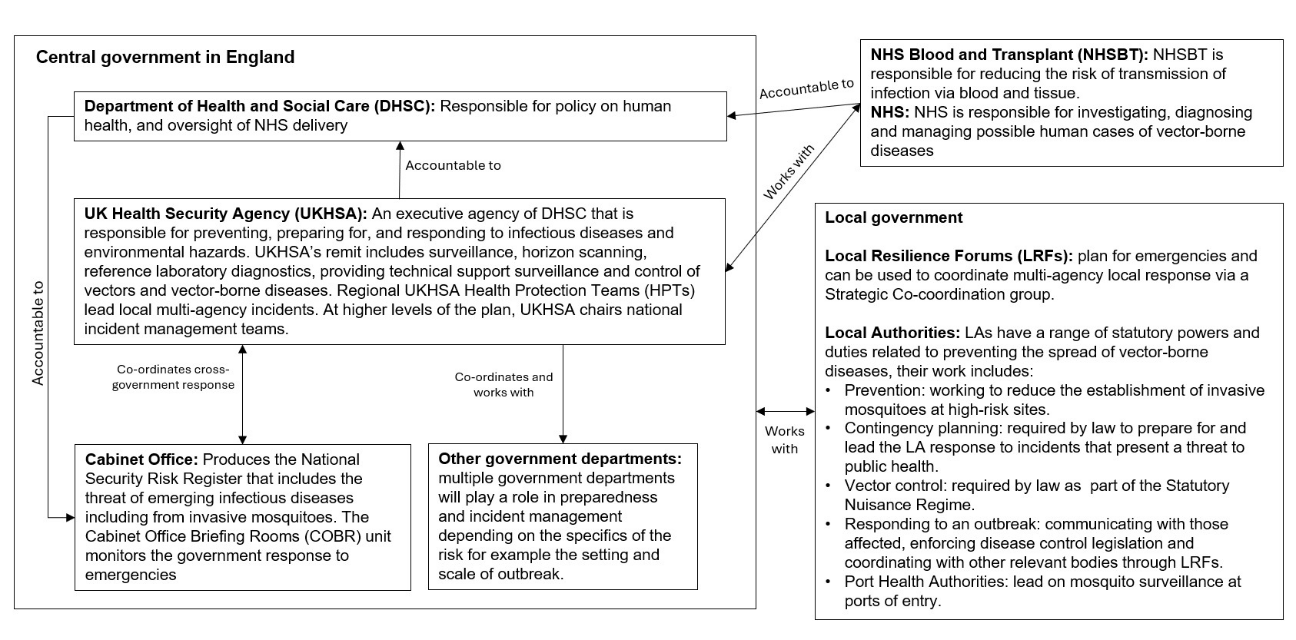
A multi-system approach is required to manage the risk of invasive mosquitoes in England, with both local and national organisations and agencies having key roles to play to minimise the public health risk. The key roles and their statutory basis are outlined below, and highlighted in Figure 1.
Department of Health and Social Care
DHSC is responsible for the risk of an outbreak of an emerging infectious disease, including a vector borne disease, as set out in the National Security Risk Register. On behalf of DHSC, UKHSA acts as the lead government department responsible for managing outbreaks of emerging infectious diseases and is accountable to the Secretary of State of Health and Social Care.
UK Health Security Agency
UKHSA is responsible for leading the government response to emerging infectious disease outbreaks, accountable to the Secretary of State for Health and Social Care.
UKHSA has a lead role in coordinating the response in the event of detection of invasive mosquitoes or associated locally acquired infections. Regional UKHSA health protection teams (HPTs) lead the local investigation and coordinate the local response to an incident, coordinated national action would be initiated from Level 2 upwards. If required, UKHSA would chair a national IMT to bring together national and local partners to take the necessary decisions and coordinate actions.
UKHSA’s remit includes coordinating surveillance of mosquitoes and human cases of disease related to these; monitoring the changing epidemiology of vector-borne diseases (VBDs) nationally and internationally; providing technical support and advice to support vector surveillance and control; assessing risk to public health, communicating risk to the public and other government departments, contributing to travel health advice, alerting NHS Blood and Transplant (NHSBT) of any infection related risks for substances of human origin, advising on risk mitigation and vaccination, and providing reference diagnostic services and expert clinical advice on cases of imported and/or undiagnosed fever. UKHSA works closely with the NHS to ensure appropriate clinical awareness and diagnostic testing is in place for VBDs. The National Travel Health Network and Centre (NaTHNaC) works with UKHSA to provide up to date and reliable information for the international traveller, healthcare providers, travel industry and national government. UKHSA work with public health colleagues in Public Health Wales, Public Health Scotland and Public Health Agency Northern Ireland to share knowledge and approached to managing vector threats including invasive mosquitoes.
The National Health Service (NHS) in England
NHS England participates in multi-agency responses to Vector-borne disease incidents. Registered medical practitioners have a statutory duty to notify the ‘proper officer’ at their local council or local health protection team (HPT) of suspected cases of infectious diseases if it may present a significant risk to human health under the requirements of The Health Protection (Notification) Regulations 2010. The reporting of notifiable organisms (causative agents) including dengue virus and chikungunya virus isolated from human samples in public health laboratories is mandatory under the Public Health (Control of Disease) Act 1984, as amended in 2010.
NHS England is responsible for commissioning and coordination of services to ensure rapid response and minimise disruption to patient care. At a local level, Integrated Care Boards (ICBs) are responsible for commissioning services for the assessment, investigation, diagnosis, and management of people who are infected with vector borne diseases. NHS England has published Commissioning Guidance for ICBs to support planning and commissioning services to manage emerging infectious disease outbreaks. Local NHS organisations should ensure that existing Emergency Preparedness and Resilience Response (EPRR) and Infectious Diseases plans and procedures consider VBDs. NHSBT have a role in reducing the risk of transmission of infection via blood and tissue products. Following the implementation of NHS reforms and organisational changes to integrate NHS England into the DHSC, roles and responsibilities will need to be updated.
Local authorities
Local authorities have a range of statutory powers and duties related to preventing the establishment of invasive mosquitoes, and preventing the spread of vector borne diseases. Their role includes working to reduce the risk of establishment of invasive mosquitoes in high-risk areas (that is, litter management), trapping to detect mosquitoes at high-risk sites (coordinated and supported by UKHSA), preparation of contingency plans, leading the local response to incidents that present a risk to public health, and responding to an outbreak.
As set out in the Environmental Protection Act 1990 (‘EPA 1990’), local authorities are responsible for vector control as part of the statutory nuisance regime. Section 79 of the EPA 1990 states that, “it is the duty of every local authority to cause its area to be inspected from time to time to detect any statutory nuisances which ought to be dealt with under section 80 and 80A of the same Act”. Section 80 of the EPA 1990 grants local authorities the power to issue abatement notices thus supporting the implementation of vector control.
Section 79 of the EPA 1990 makes clear that certain things can be considered a nuisance if “prejudicial to health or a nuisance”. Section 101 of the Clean Neighbourhoods and Environment Act 2005 extended the statutory nuisance regime to explicitly include insects. Under Schedule 9A of the Wildlife and Countryside Act 1981, local authorities can also implement vector control for invasive non-native species by issuing species control orders. The Health Protection (Part 2A Orders) Regulations 2010, make provision in relation to orders applied for and made under the Public Health Act 1984. They provide local authorities with additional powers to control or prevent the spread of infectious diseases. Part 2A Orders are to be used where voluntary measures are insufficient and legal powers are needed to respond to infections that present a risk to public health and can include requiring individuals to self-isolate or a premises to be disinfected or closed to protect human health.
Local Resilience Forums
Local resilience forums are multi-agency partnerships that plan for emergencies and ensure that in a response, agencies can work together effectively. LRFs should consider preparedness based on the potential risk of invasive mosquitoes establishing in their area at all levels of this plan. A Strategic Coordinating Group (SCG) is a high-level, multi-agency group that could be activated to provide strategic direction and coordination during an emergency response.
NHS, local authorities, and local partners are advised to develop operational procedures to support implementation of the national plan.
Figure 1. the main responsibilities for the management of the risk of invasive mosquitoes in government, England only
Hazard identification
The clinical presentation and current distribution of those invasive mosquito borne infections of greatest threat to the UK is summarised in Table 1 below. UKHSA publishes detailed information on trends of travel-associated infections in England, Wales and Northern Ireland.
Invasive mosquito-borne viral infections of potential public health importance to the UK
Dengue virus
Distribution of disease at time of publication
Endemic in over 100 countries across Africa, the Americas and Caribbean, the Eastern Mediterranean, South-East Asia and the Western Pacific.
A 10-fold increase in dengue cases was reported worldwide from 2000 to 2019, rising to 5 million cases. Following a short decrease during the COVID-19 pandemic (2020 to 2022), a global surge has continued since 2023, with more than 14 million cases reported in 2024 alone (36).
Transmission has been reported in Europe since 2010 (Croatia, Spain, Italy and France) (18).
Clinical presentation
A high proportion of infections are asymptomatic (34, 35).
Symptoms can include:
- fever
- headache
- muscle aches
- joint pains
- nausea and vomiting
- rash
Disease is usually mild and self-limiting (7).
There are four serotypes of dengue virus. Infection with one serotype leads to long-term immunity to that specific serotype only, so individuals can develop dengue more than once. Subsequent infection with a different serotype may result in severe disease (7).
Chikungunya virus
Distribution of disease at time of publication
Endemic in Africa, Asia and the Americas (8).
Transmission has been reported in:
- Italy (notable outbreaks in 2007 and 2017)
- France (2010, 2014 and 2017) (19)
Clinical presentation
Most infected individuals become symptomatic.
Symptoms can include:
- fever
- rash
- severe joint pain (which may last for months)
Some asymptomatic infections occur (8).
Transmission from mothers to babies has been described and is linked to developmental delay (39).
For most people, infection is thought to confer lifelong immunity to subsequent chikungunya virus infection (8).
Zika virus
Distribution of disease at time of publication
Large outbreak in the Americas and Caribbean between 2015 and 2016.
As of 2022, 89 countries across Africa, Europe, the Americas, South-East Asia and the Western Pacific have reported locally acquired cases (40).
Three locally acquired cases were reported in France in 2019 (41).
Clinical presentation
Most infections are asymptomatic.
Symptoms can include:
- low-grade fever
- rash
- joint pain
- conjunctivitis (6)
Disease is usually mild and self-limiting.
Zika virus infection during pregnancy can cause infants to be born with congenital malformations, including microcephaly. It has also been associated with:
- preterm birth
- miscarriage (6)
An estimated 5% to 15% of infants born to women infected during pregnancy show complications of infection (6), with rates varying by region (42).
Zika virus infection can also cause:
- Guillain-Barré syndrome
- neuropathy
- myelitis
Infection is thought to induce long-term immunity, but the duration of this immunity is not well understood (43).
Risk levels for invasive mosquitoes and related diseases
UKHSA assess and classify the levels of risk to human health from invasive mosquitoes from level 0 to level 4 according to both the:
- distribution status of the invasive Aedes mosquito species
- extent of local transmission of human cases of mosquito borne infections
Risk levels may vary within the country. See table 2 below for descriptions of each risk level, and the key strategic objective for each risk level.
Table 2. Levels of risk for invasive mosquito species, and strategic objective for each level
| Level | Description | Strategic objective |
|---|---|---|
| 0 | No invasive mosquitoes [note 2] detected in England. Imported human cases only | Surveillance for introductions of mosquitoes and disease |
| 1 | Invasive mosquitoes [note 2] detected in an area in England. Imported human cases only | Minimise risk of invasive mosquito establishment |
| 2 | Invasive mosquitoes established in an area in England [note 3]. Imported human cases only | Prevent local cases of mosquito borne diseases arising |
| 3 | At least one case of confirmed locally acquired exotic mosquito-borne infection in one or more foci [note 4] in a limited region, regardless of whether invasive mosquitoes identified | Minimise local transmission of imported mosquito borne diseases |
| 4 | Invasive mosquitoes widely established in England, and geographically spread locally acquired cases and/or outbreaks of an exotic mosquito-borne infection | Minimise impact on human health by reducing size and number of local outbreaks of mosquito borne diseases |
Note 2
For invasive species the possible distribution statuses are defined by ECDC as below. For the purposes of this plan municipality and administrative unit refers to a local authority.
Established: An established population (evidence of reproduction and overwintering) of the species has been observed in at least one municipality within the administrative unit.
Introduced: The species has been detected (but without confirmed establishment) within the administrative unit.
Absent: Field surveys or studies on mosquitoes were conducted but the species has not been detected within the administrative unit.
No data: No sampling has been performed and no data on the species is available within the administrative unit.
Note 3
Area can be either a local authority or a LRF depending on geography and local arrangements
Note 4
Foci is defined as a specific locality where invasive mosquitoes have been detected and/or subsequently established. A separate focus will relate to a separate incursion or population
General note
All areas where mosquitoes have not been detected will be at level 0. The risk assessment is dynamic, and areas can either remain at the same level, increase or decrease risk level depending on the evolving epidemiological and entomological situation. The decision to change risk level will be decided by the IMT formed in response to detection of mosquitoes or human disease cases.
Example 1. Invasive mosquitoes are detected in area X, moving that area to level 1. Vector control measures are effective, and no further eggs, larvae or mosquitoes are detected by the end of the enhanced surveillance period, area X then reverts to level 0.
Example 2. A locally acquired case of dengue is diagnosed in area Y, level 3 is assigned by the incident management team. No additional locally acquired cases are detected by the end of the transmission season. Vector control is effective, and no mosquitoes are detected by the end of the following transmission season, area Y reverts to level 0.
Actions by risk level
Proposed surveillance and control measures for levels 0 to 4 are summarised in Table 3 below, with further details in Annex 1. The responsible authority is indicated in italics after the action. There are multiple factors which inform the intensity of the response required at each level, therefore a risk assessment is required for each specific scenario which will usually be led by a local or national incident management team with relevant expertise. See page 9 for further information.
Appendix
Annex 1. Surveillance, vector control and public health actions at each level
Level 0: No invasive mosquitoes are detected in England. Imported human cases only.
Surveillance
Entomological surveillance
Monitor sea and airports of entry for mosquitoes
Traps (ovitraps and where possible, BG Pro/Sentinel) are run at all major seaports and airports with international links to mosquito endemic areas and disease outbreaks. Port health authorities and local authorities help with accessing sites and supporting trapping. Surveillance coordinated by UKHSA Medical Entomology and Zoonoses Ecology (MEZE) Team but should be conducted by Port Health Officers.
Samples should be submitted to UKHSA MEZE Team for identification. Mosquito surveillance at ports should be conducted from April to November [note 1] and traps checked every 2 weeks.
Note 1: Surveillance targeting airports and ports is conducted from April to November. Surveillance targeting traffic on highways is conducted from June to October.
Conduct surveillance alongside highway networks linked to ferry ports and Eurotunnel and at Eurostar stations and terminals
Traps should be run at main highway service stations, truck stops, inland border facilities and Eurostar stations, to detect mosquitoes entering the country through the main ferry ports. Traps are to be run June to October and checked every 2 weeks. This surveillance is coordinated by UKHSA’s MEZE Team and conducted by local authorities.
Conduct surveillance within ‘at-risk’ communities where modelling indicates climate, habitat and potential importation routes support establishment of invasive mosquitoes
Targeted locations considered high-risk for establishment of invasive mosquitoes using high resolution species distribution models of suitable climatic conditions and habitat types are to be cross-referenced with likely importation routes. Traps are run by local authorities who have received training in mosquito surveillance by UKHSA. UKHSA’s MEZE Team coordinates with local authorities.
Conduct nationwide passive surveillance with public and environmental health
In addition to targeted surveillance for invasive mosquitoes (as above), passive surveillance from reports by the public and environmental health officers can assist in detecting populations of invasive mosquitoes.
A nuisance mosquito reporting programme is maintained by UKHSA’s MEZE Team with cooperation from local authorities and the Chartered Institute of Environmental Health (CIEH).
This provides a portal for environmental health officers to submit samples to UKHSA and partners for identification. (Mosquitoes: how to report)
UKHSA maintain a citizen science based ‘mosquito recording scheme’ coordinated through GOV.UK website, enabling citizen reporting of mosquito encounters, and in some cases submission of mosquito specimens. Future considerations should be made to augment citizen reporting, for example, by creating specific smart phone apps.
The mainstay of mosquito identification is morphological appearance. Genetic or mass spectrometry analysis for mosquito identification or confirmation can be undertaken by UKHSA if required.
Report the detection of invasive mosquitoes
UKHSA report any identification of an invasive mosquito to the relevant HPT, local authority and key UKHSA specialist teams immediately. Other organisations who identify evidence of invasive mosquitoes through research or other surveillance programmes must report these immediately to UKHSA for verification to enable reassessment of risk level and local response. Reporting of the detection of invasive mosquitoes and results of negative findings from surveillance by local authorities, academic units or UKHSA’s MEZE Team needs to be done as soon as practicably possible, to allow the appropriate notifications and elevation to Level 1.
Syndromic surveillance for insect bites using real-time syndromic surveillance systems, monitoring GP consultations, ED attendances and NHS 111 data, may flag a surge of insect biting events requiring further investigation.
Disease surveillance
Travel-related cases of exotic infections are diagnosed at UKHSA Rare and Imported Pathogens Laboratory (RIPL). Clinicians should submit samples with a request form providing clinical and travel history details for suspected cases. Routine surveillance by UKHSA collects information on travel history to confirm that cases are imported.
Dengue, chikungunya and Zika virus infections are notifiable diseases. Clinicians must report suspected cases of these infections, and laboratories must report positive test results to UKHSA.
UKHSA reviews signals identified from a range of sources, including global epidemic intelligence and event-based surveillance, for emerging infections that may be of relevance to public health, including mosquito-borne disease incidents.
Vector control
No active control is required at level zero. Each local authority should maintain and exercise a plan or standard operating procedure for how to manage invasive mosquitoes (that is, internal capacity, external subcontracted, mutual aid). The level at which each local authority maintains preparedness and control capabilities will be influenced by the local risk of invasive mosquitoes establishing. Annual updates from UKHSA will provide information on this risk, based on modelling, previous detections, and climate conditions. Local authorities should engage with training provided by UKHSA on invasive mosquito surveillance, incident response and on principles of mosquito control.
Local authorities should ensure ports of entry and high-risk sites (road service stations on major transit routes, climate suitable urban areas, others as indicated via UKHSA and LA discussions), are managed to reduce litter. Aedes albopictus is well adapted to laying eggs in litter items that collect small volumes of water. Maintaining litter to a minimum level will therefore reduce habitats for invasive mosquitoes to reproduce and reduce the potential future cost of litter clearance required if invasive Aedes mosquitoes were detected. Local authorities should encourage business owners in high-risk areas (for example, service stations) to ensure litter is controlled.
UKHSA will continue to maintain available guidance for the public on mosquito control on the GOV.UK website and co-produce guidance for Environmental Health Officers (EHOs) on the CIEH website (Management of invasive species of mosquitoes).
Public health actions
UKHSA public facing communications should continue to raise awareness of invasive mosquitoes and potential risks posed. These communications should highlight citizen reporting pathways and good practice to reduce mosquito breeding habitats. Public communications regarding vector-borne diseases should be encouraged, facilitating future awareness and behaviour change in the event of invasive mosquito detection or establishment.
Travel health information to continue to be available via NaTHNaC for those travelling overseas, including country-specific advice and mosquito bite avoidance advice.
To manage the risk of introducing exotic arboviruses into the blood donation pool, the NHS Blood and Transplant (NHSBT) maintain up-to-date guidelines regarding blood donation and overseas travel. Donor screening based on travel history will also contribute to disease surveillance.
Level 1: Invasive mosquitoes detected in an area in England. Imported human cases only
Surveillance
Entomological surveillance
Upon detection of an invasive mosquito, an investigation is essential to:
- determine if the mosquito is from an established population
- determine the geographic extent of that population
- identify the likely source of importation and/or linked foci
- start control to prevent establishment or spread
Enhanced mosquito surveillance
To establish the extent of distribution and mosquito density, there will be a joint investigation by the regional UKHSA HPT, UKHSA’s MEZE Team and local authority Environmental Health teams. This will likely be led by the HPT as it will be treated as a routine incident in line with the UKHSA Incident Response Plan. The HPT will convene an IMT with relevant partners to agree the response. The local authority will organise and fund the control, with technical advice from UKHSA’s MEZE Team. This system has been tried and tested, and a Local Plan Template is included in accompanying documentation.
The mosquito surveillance strategy will be in accordance with the ECDC guidelines of invasive mosquito surveillance, using a range of traps for adult mosquitoes, ovitraps and larval sampling.
Additional locations for entomological sampling may be identified based on likely routes of mosquito dispersal by human movement (for example, by vehicle).
Disease surveillance
As for Level 0, plus additional follow-up of confirmed cases of exotic Aedes-borne diseases in the area by UKHSA, to ensure they are travel acquired.
Vector control
Targeted vector control intervention within 200m to 300m buffer zone of detection designed to eradicate invasive mosquitoes and prevent further mosquito breeding in foci of detection prior to establishment. The exact determination of this buffer zone will depend on the risk assessment by the IMT, considering factors such as local housing and land use, ideal mosquito habitats and potential barriers to mosquito dispersion. Control measures may include source reduction (including litter picking and incineration) and larviciding. Local authorities should consider pro-active litter picking to ensure points of entry and at-risk areas are free of additional breeding sites and to reduce potential costs of litter picking and incineration during an incident. This should extend to ensuring local businesses and vendors do not contribute to litter issues.
If more mosquitoes are found through surveillance activities, guidance is available from the Management of Invasive Species of Mosquitoes control plan:
Coordination and control will be conducted by the local IMT, including:
- source reduction and sanitising of site (including litter picking and incineration)
- biocidal control of larvae (for example, Bti, silicon-based products, including identification of sites; mobilisation and procurement of larvicides; agreement of extent and timescales for the use of larvicides)
- adulticidal control where appropriate and required (although this is not a requirement at this level)
- public and community engagement in minimising habitats and source reduction within affected and neighbouring communities (Refer to poster on mosquito control around the home)
- monitoring of the effect of insecticidal control and reduction in established foci
- subsequent surveillance to confirm efficacy of control
Public health actions
As for level 0, and:
The regional UKHSA health protection team will establish and lead a multi-agency incident management team (IMT). The IMT will coordinate investigation into the introduction of the mosquito, risk assessment of the situation, vector control strategies and communication strategies. A proposed structure of this local IMT is provided in Annex 2.
At level 1 enhanced public communications may be considered to inform the public about invasive mosquitoes, promote mosquito source reduction, promote behavioural change to reduce risk and explain mosquito surveillance, mosquito reporting and/or control activities.
Level 2: Invasive mosquitoes established in an area of England. Imported cases of mosquito borne diseases only
Actions during a period of seasonal activity of the mosquito.
Seasonality
In the UK, the activity of invasive Aedes mosquitoes will be highly temperature dependent with biting activity of adult mosquitoes expected between April to November. Actions should therefore be proportionate to this season of risk. However, there will be benefits of continuing certain activities year-round, for example, those relating to training in surveillance and pest-control, and maintenance of litter-free at-risk areas.
Surveillance
Entomological surveillance
The focus of entomological surveillance at this level will move from early invasive mosquito detection to sustained surveillance to inform mosquito control where mosquitoes are established. In order to determine whether an imported human mosquito-borne disease case presents a risk for locally acquired transmission, an accurate map of the distribution of invasive mosquitoes will be required. Predictive species distribution maps will guide sampling on the leading edge of the colonising population.
Surveillance will be conducted by local authority Environmental Health teams in localities, with expert advice from UKHSA. In areas where invasive mosquitoes have recently become established, surveillance will seek to estimate mosquito density by proportion of positive ovitraps or abundance of adult mosquitoes in BG sentinel/Pro traps. The use of a range of UKHSA trapping capability for mass trapping will be considered. Wider surveillance will seek to identify new foci of invasive mosquitoes.
Results will be recorded and reported through a GIS-mapping system and user interface, which will be created to show trapping sites, information on mosquito density and seasonality, as well as location and effectiveness of control efforts.
Disease surveillance
In areas where invasive mosquitoes are established:
- travel history will be determined via the national enhanced surveillance system, where a questionnaire will be carried out with those who have a laboratory confirmed Aedes borne disease. Where a response is not received through the enhanced surveillance system from a person with a laboratory confirmed VBD, UKHSA will report these to the local HPT who will attempt to establish where transmission occurred
- the IMT will assess the risk of onward transmission and consider immediate vector control and surveillance around locations where a person with a laboratory confirmed Aedes borne disease has been during the period of time when they would have been infectious
- UKHSA will ensure that testing criteria for disease is modified to include clinically compatible presentations in those without known travel history
- surveillance outputs should be near real time, and integrated with the entomology GIS-mapping system
- syndromic surveillance for insect bites will continue as previous levels, with a particular focus on events in level 2 areas and those neighbouring
- develop a seroprevalence study protocol to be deployed in the event of detecting locally acquired transmission, and consider focused seroprevalence studies targeting specific groups if funding available
- modelling activities to forecast the disease transmission potential posed by viraemic cases arriving into area of establishment. Models would incorporate extrinsic incubation period and basic reproduction number estimations
Vector control
The IMT will consider appropriate vector control interventions both as an immediate response to an imported case (to prevent onwards transmission) and as a measure to reduce the overall risk of transmission in the event of importation (preparedness). Vector control recommendations will be made to the local authority by the IMT, and the local authority maintains responsibility for delivery of vector control. See level 0 and 1 for existing requirements.
The expected response to an imported case of mosquito borne disease in a location with established invasive mosquitoes would be to target a buffer zone determined by the IMT (circa 200m to 300m based on the distance Aedes spp can usually fly and local geographical features) around each detected case. It is expected that within this zone:
- mosquitoes are controlled (including adulticiding where appropriate)
- potential mosquito breeding sites are identified and minimised
- local inhabitants are given information on reducing mosquito breeding sites
Vector control interventions are detailed by the Chartered Institute for Environmental Health (CIEH) and can be found on the: Management of Invasive Species of Mosquitoes page. As at previous levels, maintenance of litter free points of entry, and other high-risk sites will reduce suitability for further establishment and reduce future incident costs.
Public health actions
Public communication will be intensified to educate on mosquito related risks and promote risk reduction through mosquito habitat control, and behaviour changes that reduce the risk of mosquito bites.
In areas where invasive mosquitoes are established targeted guidance on how to prevent mosquito bites may be given to the following groups:
- people with confirmed Aedes-borne diseases (dengue, Zika, chikungunya)
- cases of undiagnosed febrile illness
- febrile cases who have returned from an area where Aedes borne arboviruses are transmitted
Communications to clinicians to ensure an appropriate level of awareness among health care professionals may include: targeted local engagement of clinicians, diagnostic and clinical guidelines, and a briefing note to the NHS to alert them to the presence of invasive mosquitoes and consequent risk of mosquito borne diseases. This will include enhanced clinical assessment of cases of imported fever and undiagnosed febrile illness (that is, lower threshold for testing).
Targeted pre-travel advice may be considered for those planning to visit areas with endemic Aedes borne disease transmission with focus on potential symptoms of Aedes borne infections and risks of onward transmission if unwell.
Development of plans, in collaboration with NHS partners, to establish dengue and other Aedes-borne arbovirus testing at healthcare settings in the affected area will allow responsiveness to a future expanding outbreak situation. This may involve assessment and development of laboratory capacity, review of test availability and development of appropriate testing pathways.
A local multi-agency IMT will coordinate local actions and investigations. The initial members of this local IMT will be guided by the responsible regional health protection team, however an outline is provided in Annex 2. IMT membership may be adjusted to meet the expertise required for a given situation. UKHSA will typically also initiate a national incident response to coordinate the broader actions required at this level and set up a technical group to provide additional topic-specific expertise as required by the incident response. UKHSA will notify cross-government departments of the increased risk and share any relevant advice or guidance.
The IMT should work together to identify high-risk groups or vulnerable people in an area of mosquito establishment.
NHSBT will be alerted.
Level 3: At least one case of confirmed locally acquired transmission of a Aedes-borne infection in 1 or more foci in a limited region, regardless of whether invasive mosquitoes identified
Surveillance
Entomological investigation
Rapid (24 to 48 hour) invasive mosquito trapping (including mass trapping) and sampling local to locally acquired case. Mosquito surveillance will be widened to map the distribution of the invasive mosquito species and determine the populations that may be at risk. Maps of mosquito foci (and population densities) will be regularly updated by UKHSA and be made available to the IMT and to the public. Mosquito sampling and identification of mosquito breeding sites will remain the responsibility of the local authority, with technical support from UKHSA’s MEZE Team.
Epidemiological investigation
- a rapid investigation will aim to establish exposures, contacts and movements of the locally acquired human cases
- active case finding should be considered in the context of the suspected locally acquired cases and entomological situation (for example, the status of detection, establishment, distribution and dispersion of potential vectors)
- testing should be considered for individuals with epidemiological links to the locally acquired case, and compatible symptoms (current or historic) within an appropriate time period to gather evidence of current or recent infection
Disease surveillance
Disease surveillance activities will identify local cases and aim to control transmission by, where possible, limiting exposure of people who are in the infectious period to invasive mosquitoes that could propagate the infection to others. This will involve:
- routine mapping of imported and locally acquired human cases on the integrated surveillance database
- enhanced surveillance of all Aedes-borne diseases through a national surveillance programme
- use of available models to ascertain dispersion and spread of disease from a locally acquired case
- initiation of a VBD seroprevalence study to understand wider exposure and asymptomatic infection, with consideration of genomic studies of viral isolates
Vector control
Following the first locally acquired case of disease in humans, the focus will move to limiting transmission and the occurrence of subsequent cases through aggressive targeted mosquito control to reduce (or eradicate if possible) invasive mosquitoes in the proximity of the case (as in the Management of Invasive Species of Mosquitoes Control Plan).
The primary intervention is to target a buffer zone around locations visited by the human case during the period when they would have been infectious. The buffer zone is determined by the IMT considering the intrinsic flight capability of the mosquito, and the ecological setting, that is:
- weather conditions
- terrain
- built environment
- availability of blood hosts [note 1]
The intrinsic flight capability of Aedes albopictus is approximately 50m, therefore it is recommended that the IMT define a buffer zone of circa 200m to 300m where:
- potential mosquito breeding sites are identified and minimised
- local inhabitants are given information on reducing mosquito breeding sites
- mosquitoes are controlled (including adulticiding where appropriate)
- consideration should be given to the use of novel interventions such as sterile insect technique or Wolbachia-based biocontrol
Note 1: See TER-Mosquito-surveillance-guidelines.pdf
Public health actions
Collaboration across multiple agencies will be required to enact an appropriate public health response at this level.
Incident management arrangements
Multiple local IMTs will be running. An UKHSA dynamic risk assessment process would determine the appropriate level for a national response, with a national IMT likely required.
The scale and complexity of many actions at this level will intensify, and the use of local resilience forums may be beneficial to strategically coordinate response across relevant agencies and authorities. UKHSA will ensure cross government partners are kept informed of the risk.
Community engagement
Reports of locally transmitted mosquito borne diseases will cause understandable public concern and media interest. A wide range of methods to engage and communicate with affected communities should be considered, including, but not limited to:
- warn and inform notifications to those in the vicinity of the locally acquired case, providing communication materials relating to the risk of Aedes-borne disease, typical signs and symptoms, and signposting advice to testing or clinical assessment pathways
- wider public communications to include information on signs and symptoms of Aedes-borne diseases, mosquito bite prevention, and residential mosquito control measures
- infected human cases will be given mosquito bite avoidance advice to reduce the risk of viral transmission to local invasive mosquito populations – LAs may be able to utilise additional powers under the Health Protection Regulations 2010 to improve cooperation with public health advice
- communications to local businesses on invasive mosquito source control, particularly management of litter around premises
Diagnostics and clinical management
Coordinated actions between UKHSA, NHSBT, NHS and other healthcare providers will facilitate early recognition, diagnosis and reporting of clinically presenting cases of Aedes-borne diseases. Required actions include:
- urgent public health alert to NHS and NHS 111 on presence of Aedes-borne infections in England, and:
- recommendations to consider a reduced testing threshold for patients presenting with undiagnosed febrile illness
- clinical and diagnostic advice
- recommended reporting mechanisms to notify of suspected cases
- similar messaging directed to local healthcare providers, to raise awareness. Providers such as GPs, pharmacies, urgent treatment centres and travel health clinics and other relevant services will be considered.
- assess testing capacity and consider establishment of more widespread diagnostic facilities to enable timely diagnostic confirmation in potential or suspected cases
- UKHSA will alert NHSBT, who will determine testing requirements for blood or organ donors potentially exposed to mosquito borne diseases or invasive mosquito populations
- consider clinical studies including outcomes and therapeutics
- discuss potential role of targeted vaccinations with JCVI
Reassessment Triggers
De-escalation of the response level should be considered if no further locally acquired cases are reported or discovered, and 45 days [note 1] have passed since the onset of symptoms in the last case.
Note 1: 45 days is twice the duration of the mean transmission cycle of dengue (the sum of mean extrinsic incubation period, mean intrinsic incubation period and mean duration of viraemia). This timeframe is similar to that used in responses to outbreaks of locally acquired dengue in Italy and France. Although differences exist in transmission dynamics of Zika and chikungunya, for consistency the 45 day period will be applicable to these infections also.
Level 4: Invasive mosquitoes widely established in England, and geographically spread sporadic locally acquired transmission and outbreaks of human cases of an exotic mosquito-borne infection.
Surveillance
Entomological surveillance
As per Level 3 and expand surveillance activities to adjacent areas as determined by data and modelling.
Human surveillance
As per Level 3 and expand surveillance activities over a wider geographical area.
At this level UKHSA would provide a recommendation on syndromic testing to the NHS.
Vector control
As per Level 3 and expand mosquito control activities over a wider geographical area.
At this level, bespoke interventions (for example, local adulticiding around imported cases) should be considered, especially in high transmission risk areas (areas with lots of travellers, and/or lots of invasive mosquitoes).
Testing of trapped mosquitoes may be considered to estimate the density of arbovirus infected mosquitoes.
Public health actions
As per Level 3 and expand public health actions over a wider geographical area.
UKHSA will issue regular communications, with enhanced communications implemented for specific incidents and outbreaks.
A strategic communications approach to education and behaviour change may be implemented to encourage preventive behaviours.
UKHSA or cabinet office will lead on cross-government coordination of the wider response at this level, and the Ministry of Housing, Community and Local Government will support information flow between local and national tiers.
Modelling may be used to predict and understand outbreak hotspots.
Incident management arrangements
A national IMT will be convened by UKHSA to co-ordinate actions taken across each affected Local Resilience Forum area.
The Ministry of Housing Communities and Local Government may need to support arrangements for co-ordination across multiple Local Resilience Forums, supporting information flow between local and national tiers.
Annex 2. Local IMT
UKHSA health protection team may wish to convene a local incident management team (IMT) following the detection of invasive mosquitoes, or of a cases of associated infectious diseases.
Draft IMT objectives
- monitor and assess the risk to public health from invasive mosquitoes and associated infectious diseases
- provide advice on enhanced surveillance, risk mitigation, and on minimising avoidable health inequalities
- coordinate response to invasive mosquitoes and cases of associated infectious diseases with the objective of minimising risk of transmission, and impact on human health
- coordinate local communications and community engagement
Suggested core membership:
- UKHSA HPT (chair)
- Director of Public Health
- Local authority - Environmental Health
- UKHSA communications
- Integrated Care Board
- UKHSA MEZE Team
- NHS infection services (microbiologist)
- if required – other UKHSA specialist teams, Port Health, NHSE
Annex 3. Vaccinations
For up-to-date information on vaccinations, please refer to the relevant Green Book chapter. Immunisation against infectious disease
The following information accurate at date of publication.
Table 4. Vaccine information
| Virus | Vaccine name | Vaccine information |
|---|---|---|
| Dengue virus | Qdenga | January 2023 – Qdenga licensed by the Medicines and Healthcare products Regulatory Agency (MHRA) for the prevention of dengue disease in individuals from 4 years of age. JCVI (March 2023) – Vaccination is not recommended routinely but may be considered for individuals aged 4 years of age and older who have had dengue infection in the past and who are: planning to travel to areas where there is a risk of dengue infection or areas with an ongoing outbreak of dengue or exposed to dengue virus through their work, for example, laboratory staff working with the virus. Available in some travel clinics and relevant occupational health services. |
| - | Dengvaxia | Not licensed in the UK |
| Chikungunya virus | IXCHIQ | February 2025 (updated February 2026) – IXCHIQ licensed by the MHRA for use as prophylaxis against chikungunya disease in adults aged 18 to 59 years, with restrictions for individuals with certain underlying health conditions (including hypertension, cardiovascular disease, diabetes or chronic kidney disease). JCVI (July 2025, updated March 2026) – Vaccination is not recommended routinely but may be considered for travellers at increased risk and for those exposed to the chikungunya virus through their work (for example, laboratory staff), following individual risk assessment. Available in some travel clinics and relevant occupational health services. |
| - | Vimkunya | May 2025 – Vimkunya licensed by the MHRA for use to prevent disease caused by the chikungunya virus in people 12 years of age and older. JCVI (July 2025, updated March 2026) – Vaccination is not recommended routinely but may be considered for travellers at increased risk and for those exposed to the chikungunya virus through their work (for example, laboratory staff), following individual risk assessment. Available in some travel clinics and relevant occupational health services. |
| Zika virus | - | No licensed vaccines. A number of Zika virus vaccines are currently in clinical trial. |
Annex 4. Case definitions
Dengue
Confirmed case
- a compatible clinical syndrome with molecular evidence of dengue virus RNA detected by PCR
Probable case
- a compatible clinical syndrome with serological evidence (seroconversion to dengue virus IgG over time or strongly positive IgM and IgG in late acute setting, taken in context of other flavivirus serology results and without another clear explanation for seropositivity) or
- positive NS1 antigen test (in the absence of additional confirmatory testing) or
- dengue virus identified from a clinical sample using a sequencing method
Possible case
- isolated IgM positive in a single sample with a compatible clinical history and without recent vaccine or previous dengue history
Zika
Confirmed case
- a compatible clinical syndrome with molecular evidence of Zika virus RNA detected by PCR
Probable case
- a compatible clinical syndrome with serological evidence (seroconversion to Zika virus IgG over time or strongly positive IgM and IgG in late acute setting, taken in context of other flavivirus serology results and without another clear explanation for seropositivity) or
- Zika virus identified from a clinical sample using a sequencing method
Possible case
- isolated Zika virus IgM positive in a single sample with a compatible clinical history and without previous Zika history
Chikungunya
Confirmed case
- a compatible clinical syndrome with molecular evidence of chikungunya virus RNA detected by PCR.
Probable case
- a compatible clinical syndrome with serological evidence (seroconversion to chikungunya virus IgG over time or strongly positive IgM and IgG in late acute setting, taken in context of other serology results and without another clear explanation for seropositivity) or
- chikungunya virus identified from a clinical sample using a sequencing method
Possible case
- isolated chikungunya virus IgM positive in a single sample with a compatible clinical history and without recent chikungunya vaccine or previous chikungunya infection history
Annex 5. Suitability of UK regions for establishment of Aedes albopictus
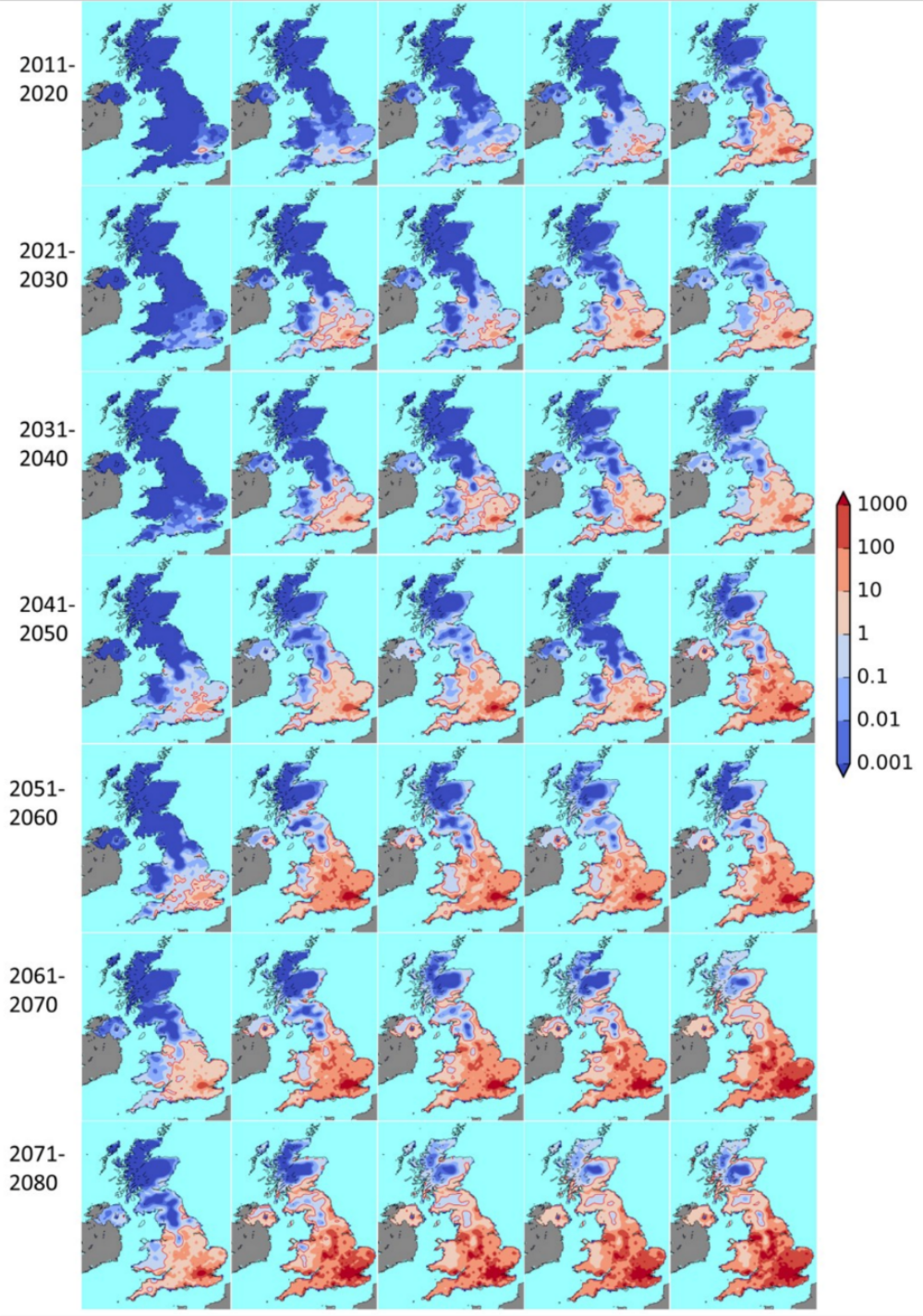
Suitability indices for individual climate model runs during 2011 to 2080 using RCP8.5 from the UKCP18 climate projections, figure 12, page 42 HECC 2023 report. Chapter 8. Direct and indirect effects of climate change on vectors and vector-borne diseases in the UK.
Left to right: minimum, lower (25th) quantile, median, upper (75th) quantile, maximum suitability for the UK. A suitability index of 1 suggests that one egg this year leads to one egg next year. An index of 100 suggests that one egg this year could lead to 100 eggs next year. The total number of eggs is used for ranking, not the suitable area surface (20).
Figure 1. Suitability of UK regions for establishment of Aedes albopictus
Useful resources
Management of Invasive Species of Mosquitoes Control Plan
Mosquitoes: surveillance and recording - GOV.UK (www.gov.uk)
Mosquito sheet 2016195 (publishing.service.gov.uk)
Communicable disease outbreak management guidance - GOV.UK
References
- Chapter 8: Direct and indirect effects of climate change on vectors and vector-borne diseases in the UK. In: Health Effects of Climate Change in the UK. UK Health Security Agency; 2023.
- Cattaneo P, Salvador E, Manica M, Barzon L, Castilletti C, Di Gennaro F, and others. Transmission of autochthonous Aedes-borne arboviruses and related public health challenges in Europe 2007 to 2023: a systematic review and secondary analysis. Lancet Regional Health Europe. 2025 Apr;51:101231.
- Medlock JM, Hansford KM, Versteirt V, Cull B, Kampen H, Fontenille D, and others. An entomological review of invasive mosquitoes in Europe. Bulletin of Entomological Research. 2015 Dec;105(6):637 to 663.
- Caminade C, Medlock JM, Ducheyne E, McIntyre KM, Leach S, Baylis M, and others. Suitability of European climate for the Asian tiger mosquito Aedes albopictus: recent trends and future scenarios. Journal of the Royal Society Interface. 2012 Oct 7;9(75):2708 to 2717.
- Medlock JM, Hansford KM, Schaffner F, Versteirt V, Hendrickx G, Zeller H, and others. A review of the invasive mosquitoes in Europe: ecology, public health risks, and control options. Vector-Borne and Zoonotic Diseases. 2012 Jun;12(6):435 to 447.
- European Centre for Disease Prevention and Control. Zika virus factsheet. 2017 (accessed 14 March 2025).
- European Centre for Disease Prevention and Control. Dengue factsheet for health professionals. 2023 (accessed 14 March 2025).
- World Health Organization. Chikungunya fact sheet (accessed 14 March 2025).
- World Health Organization. Global dengue surveillance dashboard (accessed 14 March 2025).
- Zeng Z, Zhan J, Chen L, Chen H, Cheng S. Global, regional, and national dengue burden from 1990 to 2017: a systematic analysis based on the global burden of disease study 2017. eClinicalMedicine. 2021 Feb;32. Available at: Full text article
- Roiz D, Pontifes PA, Jourdain F, Diagne C, Leroy B, Vaissière AC, and others. The rising global economic costs of invasive Aedes mosquitoes and Aedes-borne diseases. Science of the Total Environment. 2024 Jul;933:173054.
- Canali M, Vici L, Rivas Morales S, Donati L, Matrangolo C, Venturelli C, and others. Household expenditure on control of urban mosquitoes Aedes albopictus and Culex pipiens in Emilia-Romagna, Northern Italy. PLoS Neglected Tropical Diseases. 2024 Oct 9;18(10):e0012552.
- National Travel Health Network and Centre. Qdenga dengue vaccine guidance (accessed 14 March 2025).
- Department of Health and Social Care. Chikungunya vaccine in UK travellers: JCVI advice. 2026 (accessed 17 March 2026).
- Medicines and Healthcare products Regulatory Agency. IXCHIQ chikungunya vaccine safety update. 2026 (accessed 11 February 2026).
- Medicines and Healthcare products Regulatory Agency. Vimkunya vaccine approval announcement. 2025 (accessed 1 May 2025).
- European Centre for Disease Prevention and Control. Aedes invasive mosquitoes distribution July 2024. 2024 (accessed 14 March 2025).
- European Centre for Disease Prevention and Control. Local dengue transmission EU/EEA. 2024 (accessed 14 March 2025).
- European Centre for Disease Prevention and Control. Local chikungunya transmission EU/EEA. 2019 (accessed 14 March 2025).
- European Centre for Disease Prevention and Control. Zika annual epidemiological report 2019. 2021 (accessed 14 March 2025).
- Farooq Z, Segelmark L, Rocklöv J, Lillepold K, Sewe MO, Briet OJT, and others. Impact of climate and Aedes albopictus establishment on dengue and chikungunya outbreaks in Europe: a time-to-event analysis. The Lancet Planetary Health. 2025 May;9(5):e374 to e383.
- Medlock JM, Avenell D, Barrass I, Leach S. Analysis of the potential for survival and seasonal activity of Aedes albopictus in the United Kingdom. Journal of Vector Ecology. 2006 Dec;31(2):292 to 304.
- Metelmann S, Caminade C, Jones AE, Medlock JM, Baylis M, Morse AP. The UK’s suitability for Aedes albopictus in current and future climates. Journal of the Royal Society Interface. 2019 Mar;16(152):20180761.
- UK Health Security Agency. Health Effects of Climate Change in the UK: state of the evidence 2023. 2023.
- Medlock JM, Vaux AG, Cull B, Schaffner F, Gillingham E, Pfluger V, and others. Detection of the invasive mosquito species Aedes albopictus in southern England. The Lancet Infectious Diseases. 2017 Feb;17(2):140.
- Vaux AGC, Johnston C, Dallimore T, McGinley L, Strode C, Murchie AK, and others. Working towards a coordinated approach to invasive mosquito detection, response and control in the UK. International Journal of Environmental Research and Public Health. 2020 Jul 17;17(14):5166.
- Vaux AGC, Dallimore T, Cull B, Schaffner F, Strode C, Pflüger V, and others. The challenge of invasive mosquito vectors in the UK during 2016 to 2018. Medical and Veterinary Entomology. 2019 Dec;33(4):443 to 452.
- European Centre for Disease Prevention and Control. Aedes aegypti factsheet. 2023 (accessed 13 May 2025).
- Dallimore T, Hunter T, Medlock JM, Vaux AGC, Harbach RE, Strode C. Discovery of a single male Aedes aegypti in Merseyside, England. Parasites and Vectors. 2017 Dec;10(1):309.
- Wilke A, Hill M, Kummer A, Vasquez C, Mutebi JP, Huo X, and others. Mosquito-borne disease among individuals experiencing homelessness in the United States: a literature review. Available at: Preprint article (accessed 28 May 2025).
- Power GM, Vaughan AM, Qiao L, Sanchez Clemente N, Pescarini JM, Paixão ES, and others. Socioeconomic risk markers of arbovirus infections: a systematic review and meta-analysis. BMJ Global Health. 2022 Apr;7(4):e007735.
- UK Health Security Agency. Dengue: the green book, chapter 15a. 2024 (accessed 1 April 2025).
- Noor FM, Hossain MB, Islam QT. Prevalence of and risk factors for long-term disabilities following chikungunya virus disease: a meta-analysis. Travel Medicine and Infectious Disease. 2020 May;35:101618.
- Micheleto JPC, Melo KA, Veloso FCS, Kassar SB, Oliveira MJC. Risk factors for mortality in patients with chikungunya: a systematic review and meta-analysis. Tropical Medicine and International Health. 2025 Feb 2.
- UK Health Security Agency. Health equity for health security strategy 2023 to 2026. 2024.
- World Health Organization. Global dengue surveillance dashboard (accessed 30 October 2024).
- De Santis O, Bouscaren N, Flahault A. Asymptomatic dengue infection rate: a systematic literature review. Heliyon. 2023 Sep;9(9):e20069.
- Asish PR, Dasgupta S, Rachel G, Bagepally BS, Girish Kumar CP. Global prevalence of asymptomatic dengue infections: a systematic review and meta-analysis. International Journal of Infectious Diseases. 2023 Sep;134:292 to 298.
- Contopoulos-Ioannidis D, Newman-Lindsay S, Chow C, LaBeaud AD. Mother-to-child transmission of chikungunya virus: a systematic review and meta-analysis. PLoS Neglected Tropical Diseases. 2018 Jun 13;12(6):e0006510.
- World Health Organization. Zika epidemiology update May 2024 (accessed 14 March 2025).
- Giron S, Franke F, Decoppet A, Cadiou B, Travaglini T, Thirion L, and others. Vector-borne transmission of Zika virus in Europe, southern France, August 2019. Eurosurveillance. 2019 Nov 7;24(45). Available at: Article
- Rosado LEP, Martelli CMT, Brickley EB, Gomes MBF, De Toledo Lima T, Da Costa PSS, and others. Risk of adverse pregnancy and infant outcomes associated with prenatal Zika virus infection. Scientific Reports. 2023 May 5;13(1):7335.
- Baud D, Gubler DJ, Schaub B, Lanteri MC, Musso D. An update on Zika virus infection. The Lancet. 2017 Nov;390(10107):2099 to 2109.
Authors
This plan was developed by the UK Health Security Agency (UKHSA) with contributions from the Department for Environment, Food and Rural Affairs (Defra), and the Animal and Plant Health Agency (APHA), NHS Blood and Transplant, NHS England, and the Ministry of Housing, Communities Local Government.
Acknowledgements
Thanks to all those who attended a workshop to help develop this plan, including representatives from Mid-Kent, Dover, Medway, Ashford, Dartford, Canterbury and Kent County council.
Thanks to the European Centre for Disease Prevention and Control (ECDC) and Santé Publique France, the UKHSA UKOTs programme and UKOTs CMOs, the UKHSA IHR Strengthening Project in Pakistan, the Punjab Government, and Florida CDC for sharing their expertise.
Tribute to Helen Roberts, Defra
Helen Roberts co-chaired the working group that developed this joint One Health plan on West Nile virus. Helen was a pillar of One Health, a leading expert on zoonoses and vector‑borne diseases and risk assessments. She played a pivotal role in cross‑government collaboration, championed preparedness for emerging threats, and was instrumental in advancing research, surveillance, contingency planning, and risk assessment methodology, including through her dedication to HAIRS and related groups. Her leadership, pragmatism, and ability to connect the right people and ideas has ensured enduring progress that will continue to shape work in this field for years to come. Helen is remembered not only for her extraordinary professional contributions but for the humanity she brought to her work. Her loss is deeply felt, and she will be remembered with immense respect and gratitude by all who had the privilege of working with her.