Updated warnings for botulinum toxin products following rare cases of botulism
The MHRA is strengthening safety warnings for all botulinum toxin type A products, following reports of rare cases of botulism linked to their use.
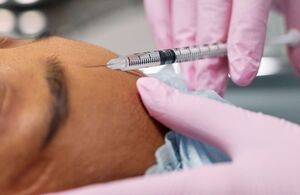
The Medicines and Healthcare products Regulatory Agency (MHRA) is strengthening safety warnings for all botulinum toxin type A products, following reports of rare cases of botulism linked to their use.
Botulinum toxin medicines are widely used in both medical treatments and cosmetic procedures. However, in very rare cases, the toxin’s effect may spread beyond the injection site, causing botulism, a serious and potentially life-threatening condition.
The MHRA has worked with manufacturers to update product information, including patient leaflets, to more clearly highlight the risk of iatrogenic botulism (botulism caused by medical treatment).
Patients are advised to seek immediate medical attention if they experience symptoms after treatment, including difficulty swallowing, slurred speech, breathing difficulties, or muscle weakness. These symptoms can occur within days or up to four weeks after treatment.
Dr Alison Cave, MHRA Chief Safety Officer said:
“Botulinum toxin products are effective for a number of different medical and cosmetic purposes when used correctly. However, these strengthened warnings are an important reminder that, in rare cases, serious side effects can occur.
“It is vital that healthcare professionals and patients are aware of the symptoms of botulism and act quickly if they arise as this is a medical emergency. We also strongly urge the public to avoid unlicensed products and seek treatment only from appropriately qualified practitioners.
“The MHRA continuously monitors the safety of these medicines, including side effects and emerging evidence.”
Dr Martin Bewley, Consultant in Health Protection from UKHSA said:
“While botulism is a rare infection, it can be serious.
“There are effective treatments available and we recommend seeking immediate medical advice if you have had a recent treatment and are having symptoms such as difficulty swallowing.
“Contact NHS 111 (or local equivalent in Northern Ireland) for further advice and seek immediate medical attention. It is important to get checked out so you can have peace of mind and treatment if needed. Given the risks, it is also important to go to a licensed practitioner.”
If you will be having botulinum toxin administered for a cosmetic procedure, the NHS has information that can help assist you with choosing an appropriate prescriber.
The risk of adverse reactions may be higher in certain circumstances, including;
- in patients with certain underlying conditions such as neurological disorders, a history of dysphagia (difficult swallowing) or a history of aspiration (breathing in a foreign material)
- where high doses are used
- where products are used outside of their licensed indications or into an unapproved site.
The MHRA is also warning about the dangers of unlicensed and counterfeit botulinum toxin products. Products obtained outside regulated supply chains do not meet UK safety and quality standards and can significantly increase the risk of serious side effects.
The MHRA’s Criminal Enforcement Unit has launched a number of investigations linked to the use of unlicensed botulinum toxin products following a spike in hospital admissions seen last year.
Anyone considering treatment should ensure their practitioner is appropriately qualified and confirm that the product being used is authorised for use in the UK. Suspected side effects should be reported through the MHRA’s Yellow Card scheme.
Notes to editors
-
Please see MHRA’s Drug Safety Update (DSU) for further information.
-
Botulinum toxin type A is a prescription-only medicine (POM) in the UK. It is authorised to treat a number of conditions including muscle spasms, hyperhidrosis (excess sweating from armpits), and overactive bladder.
-
The MHRA is responsible for regulating all medicines and medical devices in the UK by ensuring they work and are acceptably safe. All our work is underpinned by robust and fact-based judgements to ensure that the benefits justify any risks.
-
The MHRA is an executive agency of the Department of Health and Social Care.
-
For media enquiries, please contact the newscentre@mhra.gov.uk, or call on 020 3080 7651.